
The UK petrol motorcycle ban remains a hot topic for bikers. With the 2035 phase-out looming, we dive into the debate surrounding electric bikes, infrastructure and the future of two wheels.
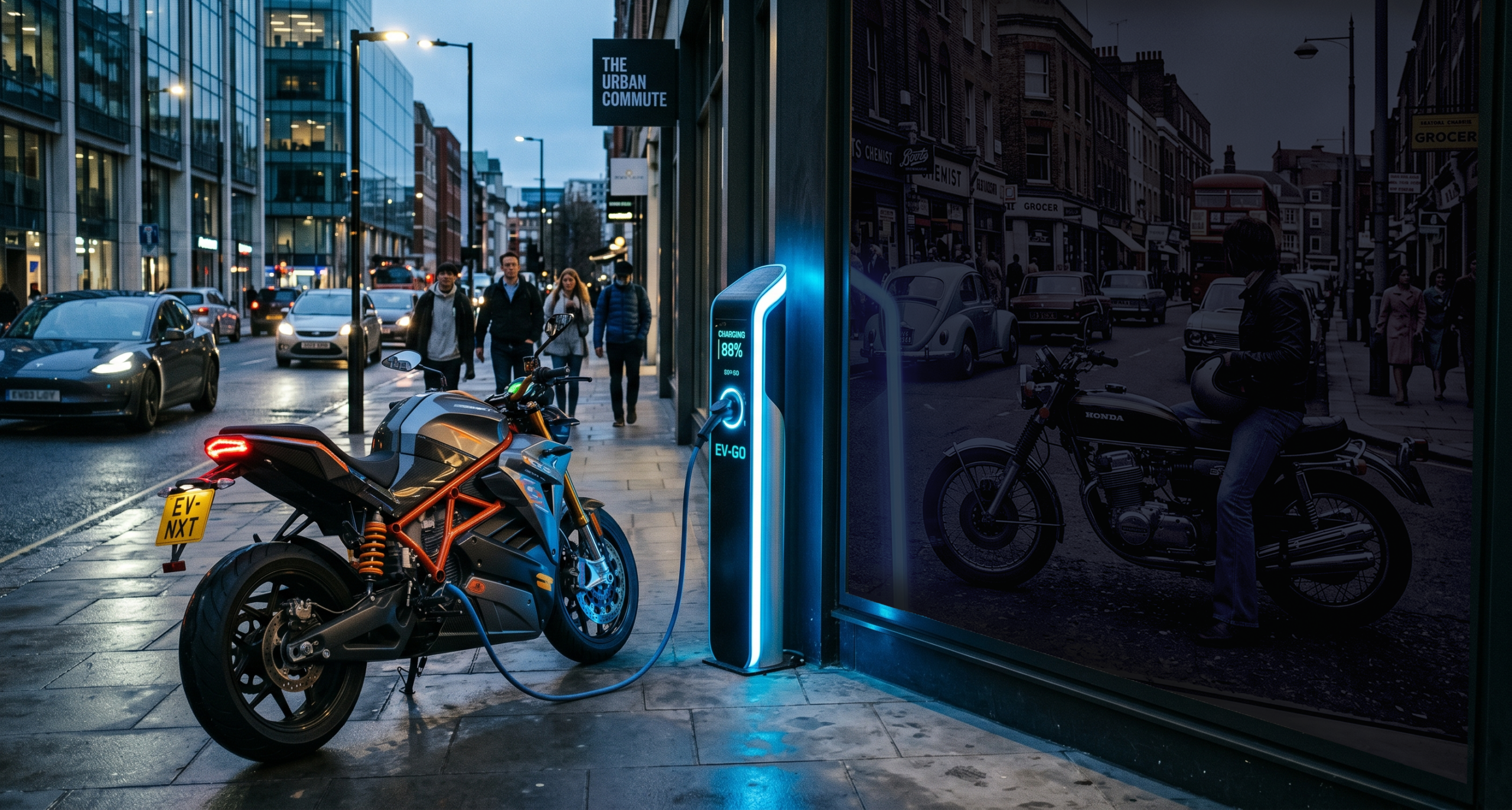
The motorcycle community is facing a massive shift. The government has laid out clear plans for the future of transport. The UK petrol motorcycle ban remains a highly debated topic at bike meets and cafes across the country. Riders are passionate about their machines. The thought of losing the traditional combustion engine has sparked strong opinions on all sides.
The core plan aims to phase out the sale of new non-zero emission motorcycles. The current target date sits firmly at 2035. This means new petrol bikes will eventually disappear from showroom floors. Let us look closely at what this means for the industry and everyday riders.
The Heart of the Debate
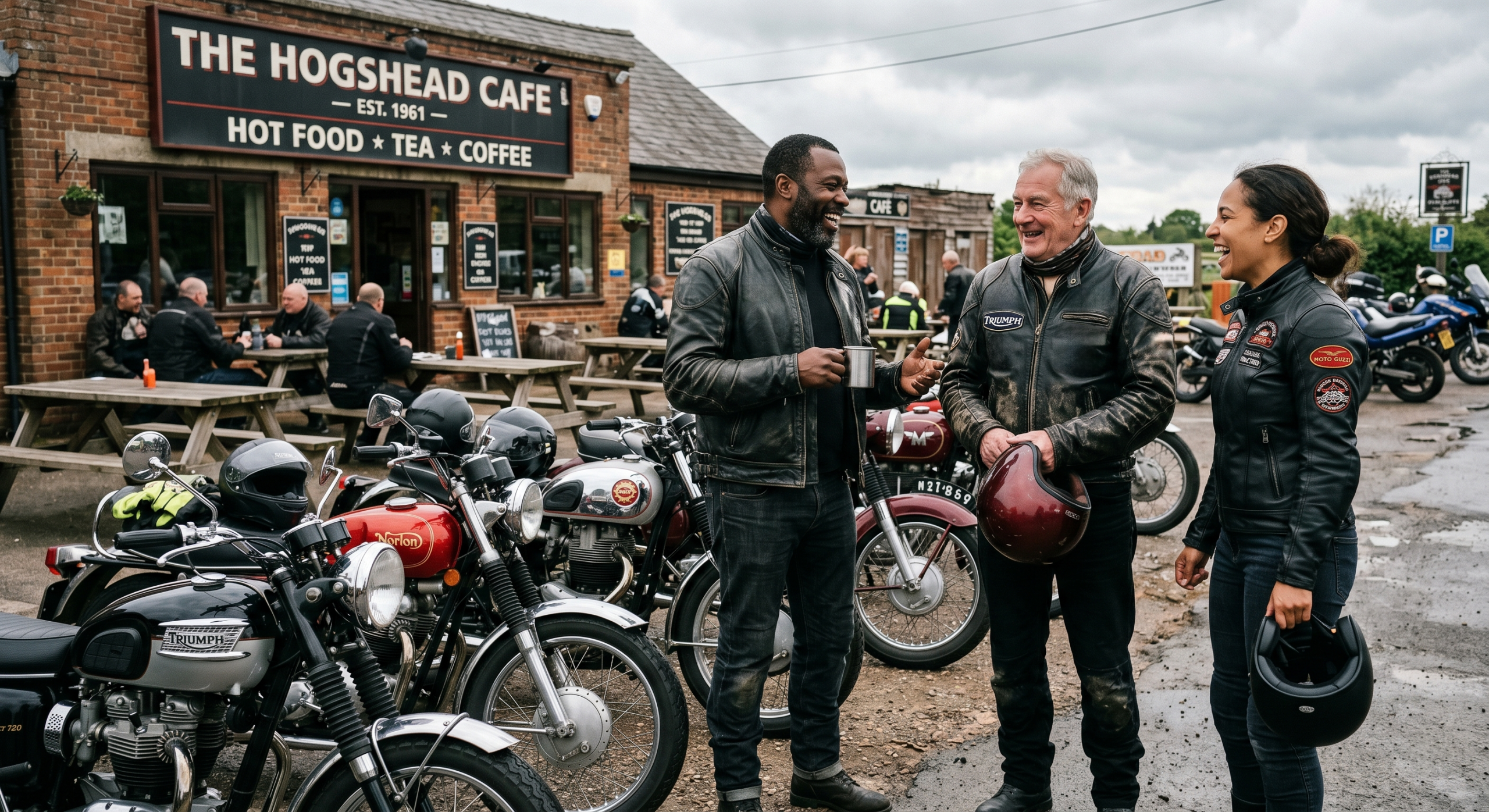
Motorcycling is a sensory experience. The vibration of the engine and the sound of the exhaust are vital for many riders. The upcoming UK petrol motorcycle ban threatens to remove these elements. This is exactly why the community is so divided. Some riders embrace the quiet and instant torque of electric motorcycles. Others feel the soul of biking is being legislated away.
Manufacturers are already shifting their research and development budgets. We are seeing incredible advancements in battery technology. However, purists argue that electric bikes lack character. The debate is rarely just about transport. It is usually about preserving a cherished way of life.
Range Anxiety and Infrastructure
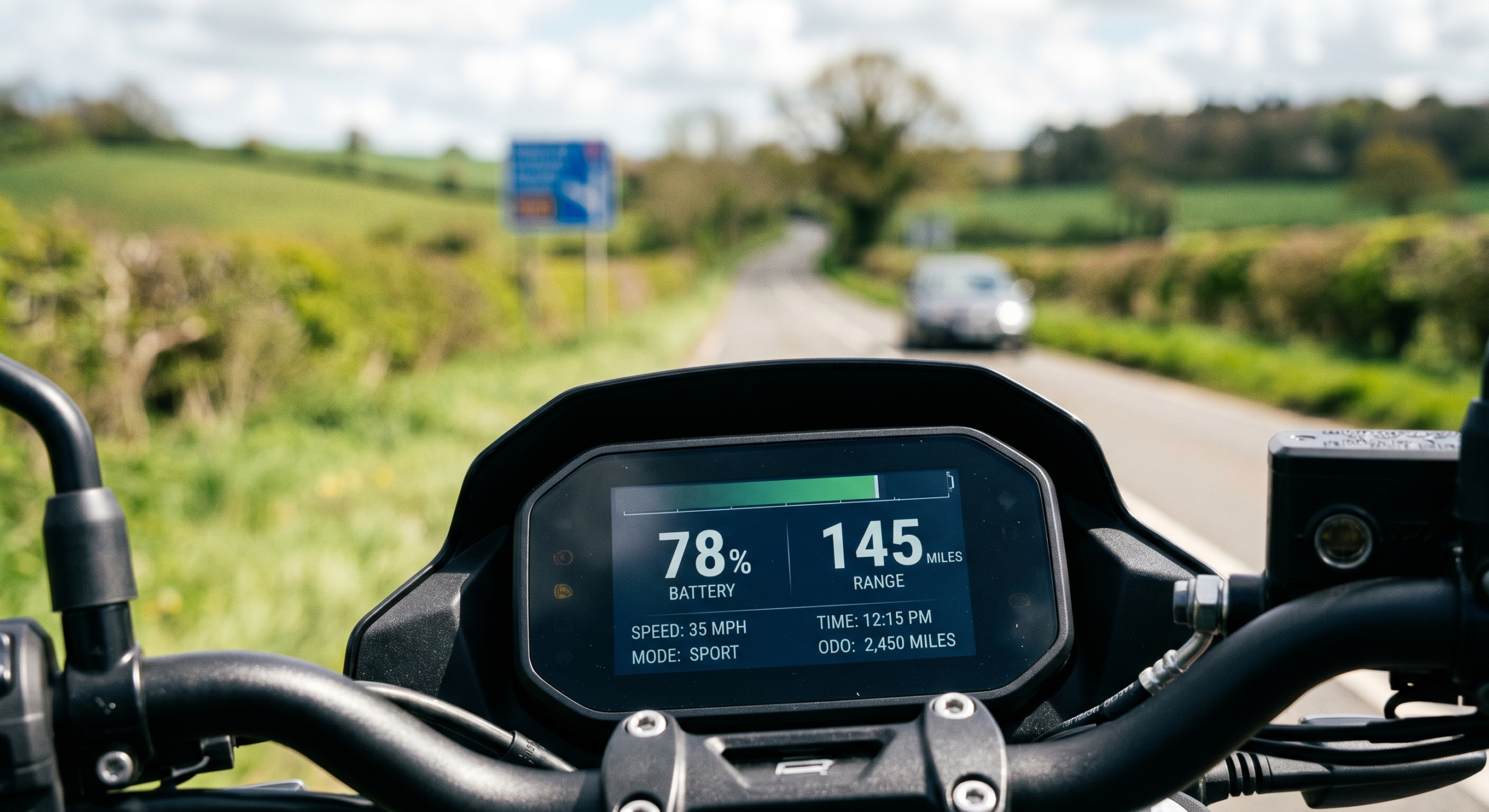
The biggest practical hurdle is charging infrastructure. Cars can easily hide large battery packs in their chassis. Motorcycles simply do not have the space or weight capacity. This limits the range of current electric models. Touring riders are particularly vocal about this issue. Riding to remote parts of Scotland or Wales requires reliable public charging.
The UK petrol motorcycle ban relies heavily on an improved charging network. Currently, fast chargers are designed entirely for cars. Cables are heavy and parking bays are large. The industry needs dedicated, safe and secure charging points for motorcycles. Without this infrastructure, wide-scale adoption will struggle.
Hints & Tips: Preparing for the Shift
Do not panic and sell your current petrol bike. The 2035 legislation only affects the sale of new motorcycles. The second-hand market will continue to thrive for decades. If you are curious about the future, book a test ride on an electric motorcycle. Experiencing the instant torque firsthand is the best way to form your own opinion on the evolving technology.
What Happens Next?
The path to 2035 will not be perfectly smooth. Lobbying groups continue to push for exemptions and alternative fuels. Synthetic fuels might offer a lifeline for the internal combustion engine. For now, the UK petrol motorcycle ban is the official direction of travel.
Riders should stay informed and keep an open mind. The motorcycles of tomorrow will look and sound different. However, the core thrill of riding on two wheels will remain intact.